

Healthy eating is just as important as a strict training schedule to make sure that Olympic athletes are getting all of the nourishment they need to be competition ready. In order to fully understand an Olympian’s Diet, I interviewed 4 former Olympic athletes about all of the foods that they ate to get ready for the Olympic games.
Samantha Peszek

Photo courtesy of pac-12.com
Samantha Peszek is an American Gymnast that competed at the 2008 Bejing Olympics games on the USA Women’s Gymnastics Team where she won a silver medal for the Team Event. She continued her gymnastics career at UCLA competing for the UCLA Bruins.
Jonathan Horton
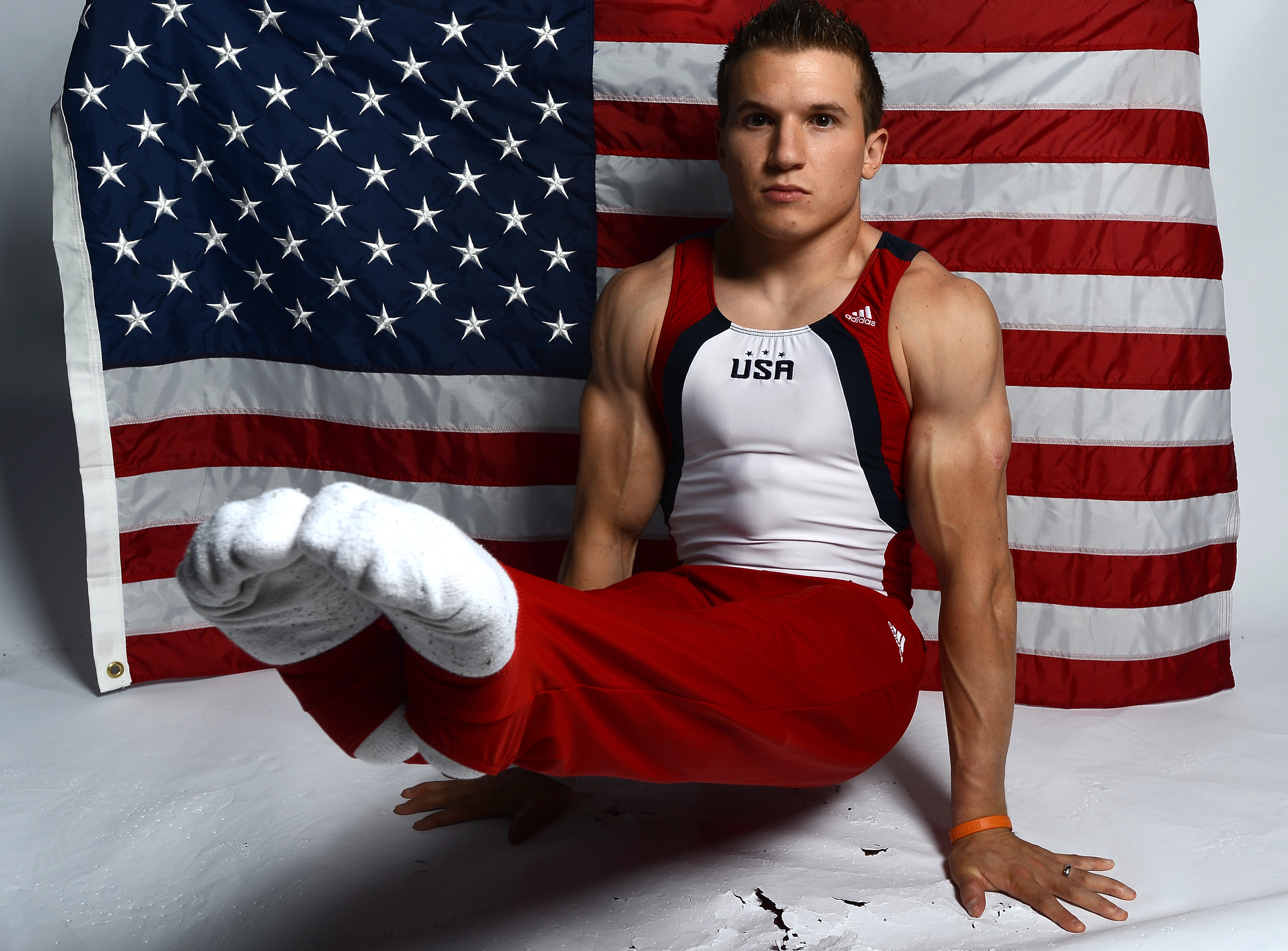
Photo courtesy of popsugar.co.uk
Jonathan Horton is a two-time Olympian. The 2008 Beijing Olympics games were his first. He won a bronze medal in the team event and a silver in the high bars event. He also competed in the 2012 London Olympic Games for Team USA.
Rebecca Soni

Photo courtesy of prosportstips.com
Rebecca Soni is an six-time Olympic medalist. She won two gold medals and a silver at the 2008 Beijing Olympics as well as two silver and one gold at the 2012 London Olympics. She is the first woman to swim the 200-meter breaststroke in under 2 minutes and 20 seconds.
Meryl Davis

Photo courtesy of tedxnaperville.com
Meryl Davis is a figure skater specializing in ice dancing. She and her partner Charlie White won the silver medal in the overall for ice dancing at the Vancouver Winter Olympics. In 2014, Meryl Davis and Charlie White won the USA’s first gold medal in Ice Dancing at the Sochi Winter Olympics and the bronze for the team event. She also proved that she is just as good off the ice as she is on the ice, by winning Dancing with the Stars in 2014.
1. In order to get competition ready, what kind of diet did you follow?
Samantha Peszek: I followed a pretty strict diet when I was competing to make sure I was fueling my body properly. I wouldn’t say it was any particular “diet”, but it was extremely clean. I ate lots of fruits, vegetables and protein.
Jonathan Horton: I don’t really change my diet as a competition comes up. In gymnastics it is really important to stay consistent. I always say, practice how you compete and compete how you practice. It’s important for me to eat the same to stay light and strong throughout the year and into competition season.
Rebecca Soni: I simply stuck to clean eating. I cooked a lot at home instead of going out to eat. I enjoyed it, and it allowed me to unwind from a tough day of workouts, my diet wasn’t strict or overly regimented. I firmly believe in foods that make you happy (hello, dessert) as being a valuable part of any diet.
Meryl Davis: Over the course of many years of training, I’ve been able to figure out what makes my body feel its best for training and competition. Certainly, being healthy and properly fueled is an important part of being at your best as an athlete. I’ve never followed a specific diet, but rather try to listen to my body and eat what it needs to refuel as well as to prepare for whatever might be coming up next.
2. How did your diet change the more rigorous your training regiment became?
SP: The closer I got to the Olympics, the cleaner my diet became. I wanted to leave no stone unturned and that meant I needed to be a 24 hour athlete especially with what I ate. I wanted to be eating the right foods not only to fuel me before practice, but to help me recover after my practice.
JH: As I got older my diet changed a lot. In my younger years of training I didn’t really focus on diet because I never gained weight. Now that I am 30 my diet is incredibly important. I meal prep, meet with a nutritionist and study up on a clean diet. When I eat really clean I always have energy and feel amazing. I can’t turn back to junk food.
RS: It didn’t change much, I enjoy feeling clean and light, so the contents of what I ate didn’t change much in-season or out. Our training was rigorous about 90% of the time, so I stuck to the same routines most of the time.
MD: When in really rigorous training, I consume a surprising amount of calories. I tend to eat pretty consistent, small means throughout the day. At 5’3″, I’m pretty small, but when you’re active throughout the day your body definitely needs the replenishment.
3. What is your go-to meal and snack during competition season?
SP: I really liked eating mixed nuts. It was sustainable protein and easy to pack when I was traveling. I also seemed to eat bananas consistently because I used to get really bad muscle cramps and bananas seemed to help relieve it.
JH: I am pretty content with eating really simply. My favorite meal is 8 oz of baked chicken, a sweet potato and asparagus. It sounds boring and plain but I never feel guilty after eating it and it’s about as healthy as it gets.
RS: Around competitions, I kept my things similar to the everyday routine. My go-to snacks being fruit, veggies with hummus, toast with almond butter, bananas, etc.
MD: I bring lots of snacks with me to the rink so that I can eat between training sessions. Greek yogurt, fruit and flaxseed muffins are some of the things I tend to pack. Sometimes I’ll make bean salads or grill some buffalo steak and mix it with brown rice to take with me, too. For breakfast I’ll usually do 2 pieces of whole grain toast and almond butter with tea. I’ll usually grab a sandwich after a long day and then dinner varies by the day. As long as it’s well-balanced, I feel good. Grilled brussels sprouts and buffalo steak or grilled chicken and pasta are my go-to meals if I’m cooking at home.
4. Fast forward to when you just found out you made the Olympic team, what changed in terms of diet?
SP: Absolutely nothing. At this point, my diet was solidified just like my training and I didn’t want to change anything.
JH: Both times I made the Olympic team I was EXTREMELY committed to being successful. I wouldn’t put a single bad calorie into my body. I was already eating pretty well, but I made sure my cheat days were in check, I drank a ton of water and I kept myself feeling light and energetic
RS: Nothing changed. I was already an elite level athlete and the everyday training is relentlessly vigorous. When preparing for success, you should eat like you’re already an Olympian.
MD: Absolutely nothing. Making the team means you’re on the right track and only happens after years and years of preparation. By the time Charlie and I made our first Olympic team, I already had an understanding of what my body needed to perform at its best.
5. Any unhealthy eating habits you had to give up?
SP: I have a big sweet tooth, so starting January 1st of 2008 I gave up sweets. I wanted to know and believe that I was doing everything in my power to make the team and be the best gymnast I could be for my country.
JH: I haven’t given up drinking sodas all together, but I have definitely kept soda something that I drink only on a very rare occasion. I used to drink a soda everyday, and I made myself quit in 2013. Now I will drink one maybe once a month or even less and it has been tough because I have a pretty bad sweet tooth.
RS: There were some relatively unhealthy habits in my everyday “training” diet, things I could have given up but chose not to. I definitely have a sweet tooth, and enjoyed the desserts. Without going into excess, I allowed myself to keep these “unhealthy” things in my diet, with the conviction that they’re good for morale.
MD: I definitely indulge in dessert, often. I have some sort of ‘sweet’ every night after dinner. Theoretically, that could be seen as a bad habit but if you’re active and healthy, why not?
6. Least favorite food you had to add into your diet?
SP: When I made the national team at age 12, I didn’t like salad or vegetables really. I saw how the best gymnasts were eating and starting forcing myself to eat healthier. Now, I love eating healthy by choice, so I definitely think you can train yourself to like certain foods.
JH: I’m honestly not a huge fan of anything green, but I force myself to eat vegetables every day.
RS: I love healthy food. I love vegetables, so much so that I am now vegan, (and I wish I had learned more about it when I was actively an athlete). So needless to say, those things were added by love for healthy food. If anything, the things I didn’t like adding were the bars, and gu’s, and “training nutrition”. I ate them at the time because I didn’t know better, but I didn’t like the feeling of force-feeding myself pre and post workout.
MD: I really don’t eat anything I don’t like.
7. Favorite food of all time that you would never give up?
SP: Hmmm probably eggs because I usually eat them at least once a day and you can make them so many ways with so many different things. I also love dark chocolate, coffee and wine.
JH: Definitely pizza. No way I can quit eating pizza.
RS: Hard to say. Now as a vegan, my goal is to add diversity and try to make new things, it’s a fun challenge. What I would never give up-dessert.
MD: Chocolate. I’m a big fan. The Davis family believes in chocolate.
While Olympians can afford to eat whatever they want due to the amount they exercise, moderation is key. Now, if only there was an Olympic event in eating, then I would have a shot at a gold medal.