

Nowadays, Korean food seems to be the “trendy” new food that people are loving. As someone who grew up on the best, homemade Korean food, I can say I’m a little critical when it comes to Korean restaurants. However, being critical has helped me weed out the fakes from the authentic places. Here are some red flags to look out for when you’re on the hunt for authentic Korean food.
1. Absence of the cute little Korean grandma running the kitchen.
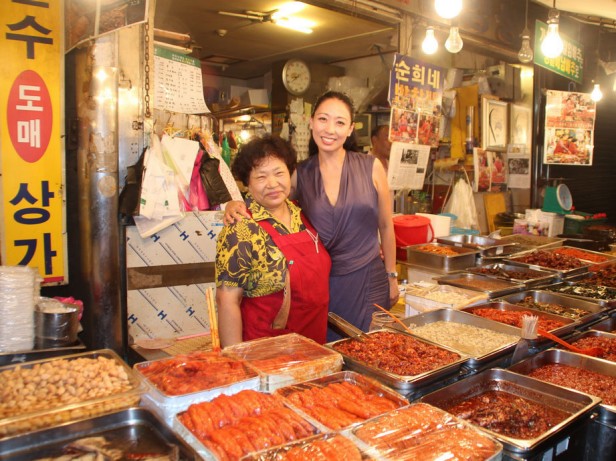
Photo courtesy of cookingchanneltv.com
She may be under 5 feet tall, but she runs the joint for sure. She hobbles around in her apron, ladle in hand, making sure the flavors are all there. All of the recipes on the menu are her own, and she’s gonna make damn sure it’s made right. If she’s not there, there’s no guarantee the restaurant is dishin’ up the real stuff.
2. If it has the word ‘fusion’ in the name.
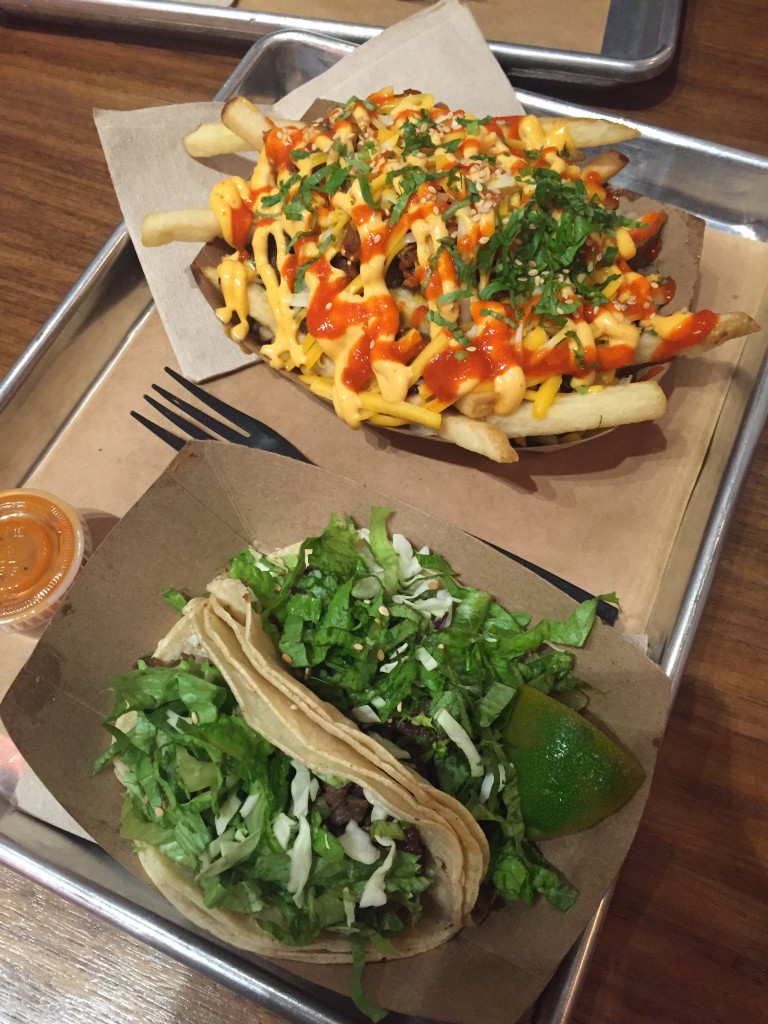
Photo by Taylor Choi
Fu·sion (adj): referring to food or cooking that incorporates elements of diverse cuisines. I’m all about that diverse cuisine life, but if you want REAL Korean food, fusion is a no-go. Although kimchi fries and bulgogi tacos are gifts from the heavens, you won’t find them at any authentic Korean restaurant.
3. Not located in a sketchier part of town.
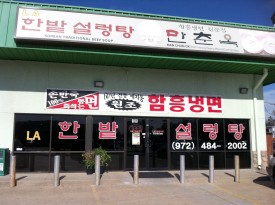
Photo courtesy of dallasobserver.com
It’s where the rent is cheapest, so restaurants can focus their money on good quality food, aka the most important part. Extra points if the restaurant is located upstairs in a strip mall. Locking those car doors and clutching your purse to your side are small prices to be paid for good Korean food.
4. The restaurant name is in all English.
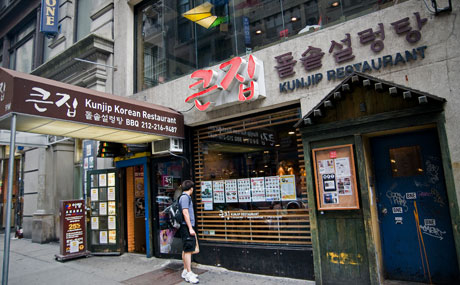
Photo courtesy of nycgo.com
If the restaurant has a name like “Grandma’s Korean BBQ,” you’re in the wrong place. The good Korean places will name the restaurant whatever they want and put a rough English translation underneath it for those who don’t read or speak Korean. Although it makes finding the good ones harder to pinpoint on Yelp, it’s worth the search.
5. Shortage of side dishes, or 반찬.
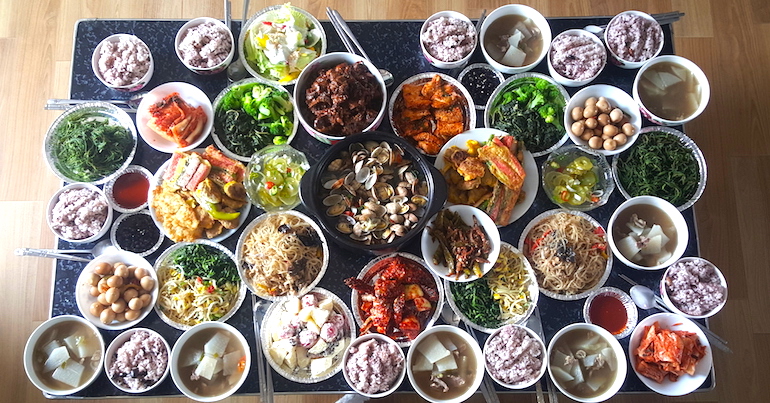
Photo by Vicky Nguyen
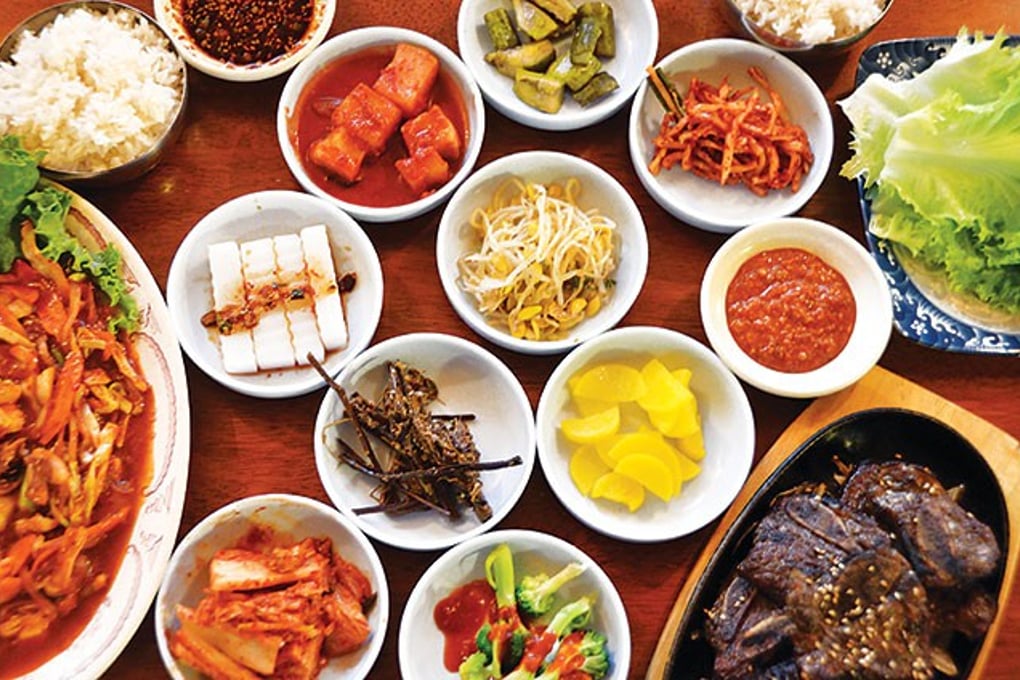
Any number less than six is unacceptable. Banchan, roughly translated to “side dish,” are as essential as the main dishes for a Korean meal. These side dishes allow you to consume a wider variety of tastes — some common ones are kimchi, odeng (fish cakes), kkakdugi (a variation of kimchi), kongnamil (cold bean sprouts), sigeumchi (seasoned, boiled spinach), and japchae (seasoned glass noodles).
6. If they sell sushi.
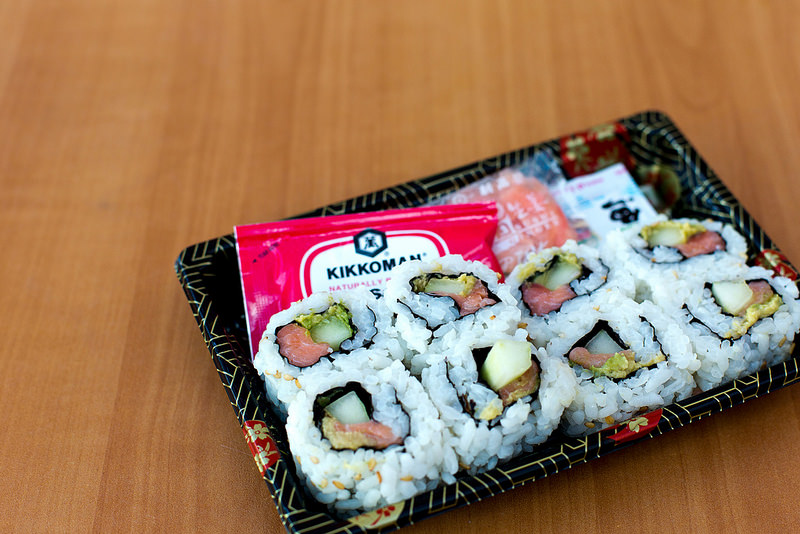
Photo by Hayden Carder
Now, when I say sushi, I don’t mean kimbap, which is a (delicious) Korean adaptation of traditional Japanese sushi; I’m talkin’ California rolls, spicy tuna and cucumber rolls. This is a Korean restaurant, not a Japanese restaurant. Although sushi was a common menu item in restaurants when Japan occupied Korea, many have since taken sushi off the menu.
7. Lack of spicy foods on the menu.
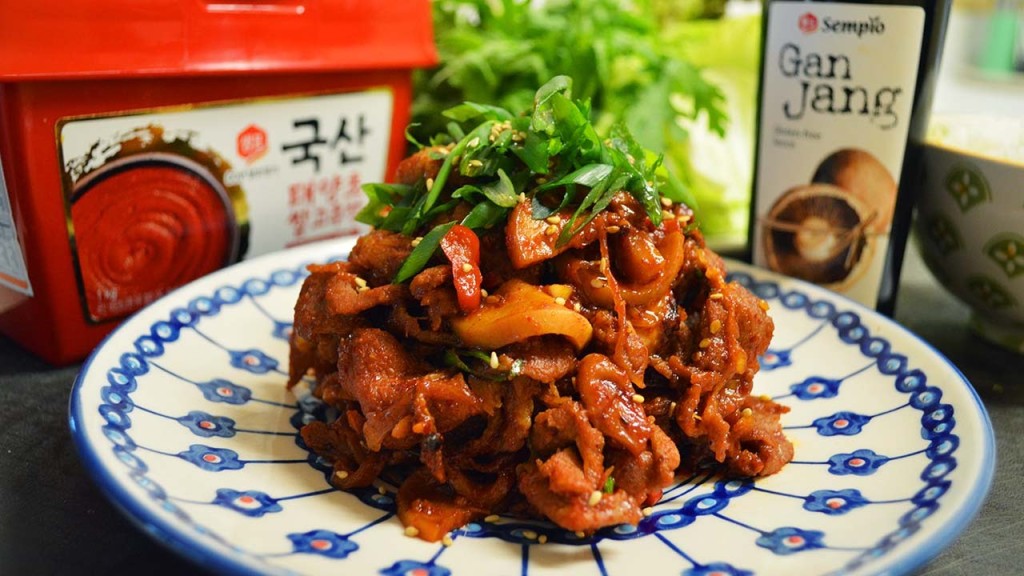
Photo courtesy of youtube.com
If it doesn’t make your eyes water and your mouth burn, it’s not spicy enough. Koreans are notorious for kicking up the spice level on all their foods — noodles, rice cakes, pork, beef, stews, etc. Gojuchang is the main culprit for the fiery taste and red tint of many Korean foods, and is an essential ingredient in many recipes.
8. Everything comes on one plate.
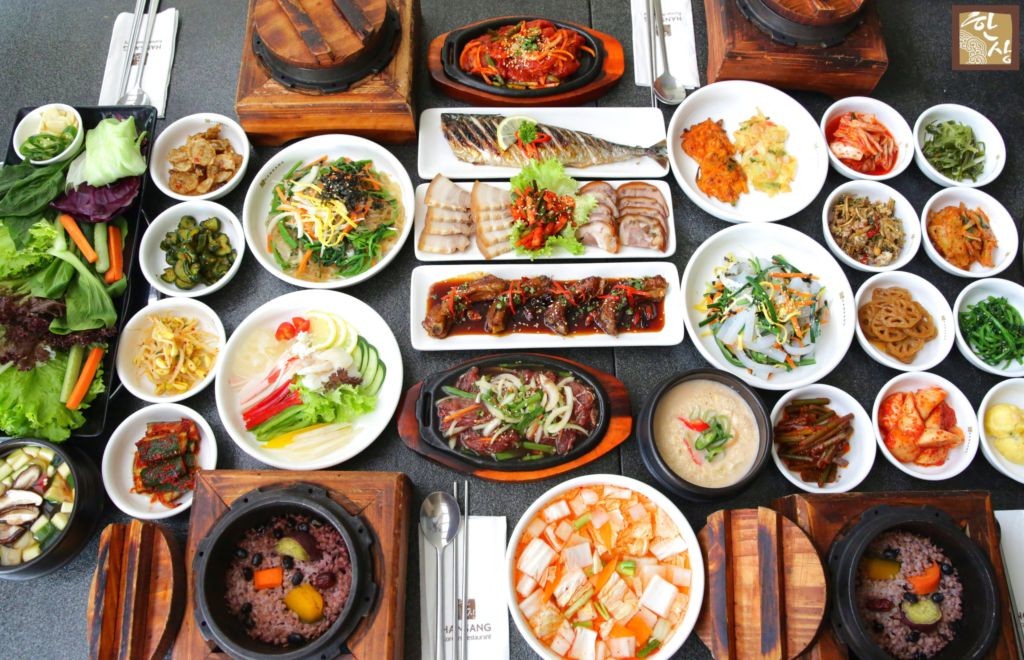
Photo courtesy of koreaboo.com
If your meat, sides and rice are all on the same plate, get out of there as fast as you can. Unlike many other restaurants, each food item has its own place: rice comes in separate bowls, each side dish comes in its own bowl, and meats and stews are the center pieces. Since everything is on its own plate, this makes for a very impressive spread.
9. If there are no typos on the menu.
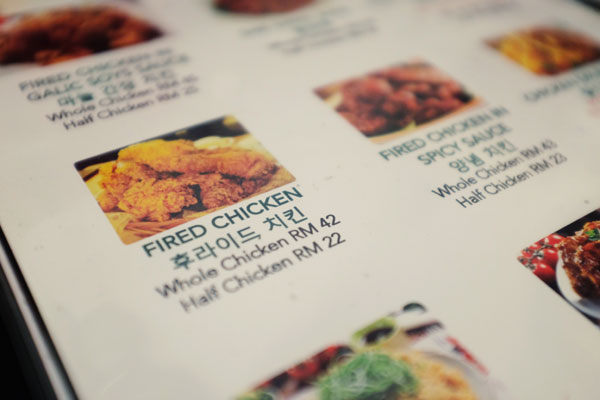
Photo courtesy of momowei.com
I didn’t put this on here to make fun of Koreans or their lack of spellcheck. But at every good Korean restaurant I’ve been to, there has been at least one misspelled item on the menu. But as long as the dish serves up crab and not crap, I’ve got no complaints.