


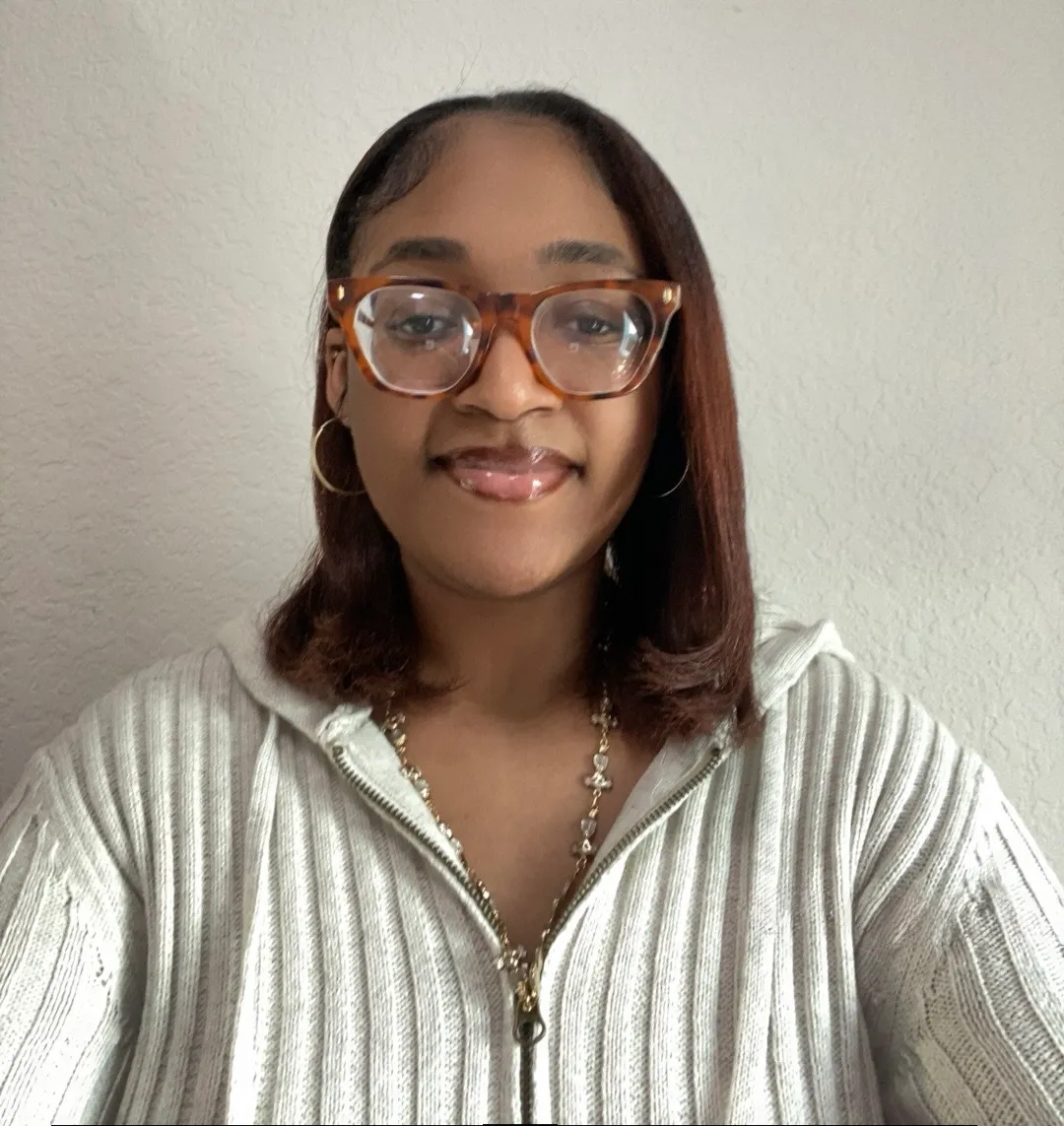
July is all about chronic disease awareness, but let’s be real, most of those conversations don’t feel like they’re meant for young women like me. They feel distant, clinical, and not relatable. That changed for me when I was diagnosed with Polyendocrine Metabolic Ovarian Syndrome (PMOS), formerly known as Polycystic Ovary Syndrome. Suddenly, I wasn’t just juggling classes, deadlines, and trying to have a social life; I was also figuring out how to live in a body that needed way more attention than I was used to.
And here’s the thing no one really tells you: PMOS isn’t just about your ovaries; it’s not just a “period problem.” According to Medical News Today, PMOS is increasingly understood as a metabolic and hormonal condition, not just a reproductive disorder. That means it affects your energy, cravings, mood, and how your body processes food. So yeah, it shows up in your everyday life way more than you’d expect.
Before I understood what was going on, I lowkey thought my body was just being difficult for no reason. I’d crash after eating, crave sugar 24/7, and feel exhausted even when I technically got enough sleep. Meanwhile, everyone around me seemed fine living off iced coffee and whatever was in the dining hall. It’s hard not to compare yourself when your body reacts so differently.
College food culture doesn’t exactly help either. Late-night snacks? Mandatory. Random fast food runs? A personality trait. Skipping meals because you’re busy? Basically normal. But with PMOS, those habits hit differently. Food isn’t just food; it literally affects how your body functions.
One of the biggest mindset shifts for me was realizing that food is information. Like what you eat sends signals to your body, especially when it comes to blood sugar and hormones. Research from the Physicians Committee for Responsible Medicine shows that insulin resistance and blood sugar levels play a major role in how symptoms show up. Once I started paying attention to how I felt after eating instead of just what I wanted at the moment, things slowly started to click.
And don’t get it twisted; it was not an instant transformation. I still had days where I ate whatever, ignored my body, and dealt with the consequences later. But over time, I noticed patterns. I realized that pairing carbs with protein helped me stay full longer. That eating consistently kept my energy from crashing. That I didn’t have to cut out everything I loved; I just had to be more intentional.
That’s the part people don’t talk about enough: balance. Managing PMOS in college isn’t about being perfect. It’s about figuring out what works for you in a lifestyle that’s already chaotic.
Because let’s talk about the social side for a second. Food is literally how we bond in college. It’s grabbing coffee with friends, late-night Uber Eats orders, birthday dinners, all of it. Trying to manage a chronic condition in the middle of that can feel isolating. You don’t want to be that person who’s always thinking about ingredients or feeling off after eating.
But I’ve learned that you can still participate; you just move a little differently. Sometimes that means choosing something that won’t leave you feeling terrible later. Sometimes it means eating beforehand. And sometimes it means just enjoying the moment and dealing with it after. It’s all about balance, not restriction.
Another thing that doesn’t get enough attention? The mental side of PMOS. It’s not just physical. It can mess with your confidence, your relationship with food, and even how you see yourself. There’s this pressure in college to look and feel a certain way, and when your body doesn’t cooperate, it can be frustrating.
For me, learning about PMOS actually helped. Reading and understanding information made everything feel less random and more manageable. It wasn’t just my body being weird; there were real reasons behind what I was experiencing. That knowledge gave me a sense of control, even when things weren’t perfect.
And if you’re going through this too, just know you’re not alone. Seriously. There are so many girls dealing with PMOS, even if no one is talking about it out loud. Everyone’s experience looks different, but the feeling of trying to balance your health with school, work, and life? That part is universal.
Living with PMOS has forced me to slow down and actually listen to my body, something I probably wouldn’t have done otherwise. And while it’s definitely not easy, it’s also taught me a lot about discipline, awareness, and self-care.
At the end of the day, this isn’t about having the perfect routine or eating perfectly 24/7. It’s about learning your body, making adjustments, and giving yourself grace when things don’t go as planned.
So if you’re a college girl navigating PMOS, just know that you’re figuring it out, and that’s enough. You don’t have it all together. You just have to keep going.