


When people think of soul food, they think of fried chicken and baked mac and cheese, but it’s more than that. African American cuisine was created from people making do with what they had and knowledge of foods/techniques passed down through generations. For those that didn’t have many options, soul food was an everyday cuisine. Yet now it’s mostly eaten for only special occasions, with dishes like candied yams, collard greens, and mac and cheese.
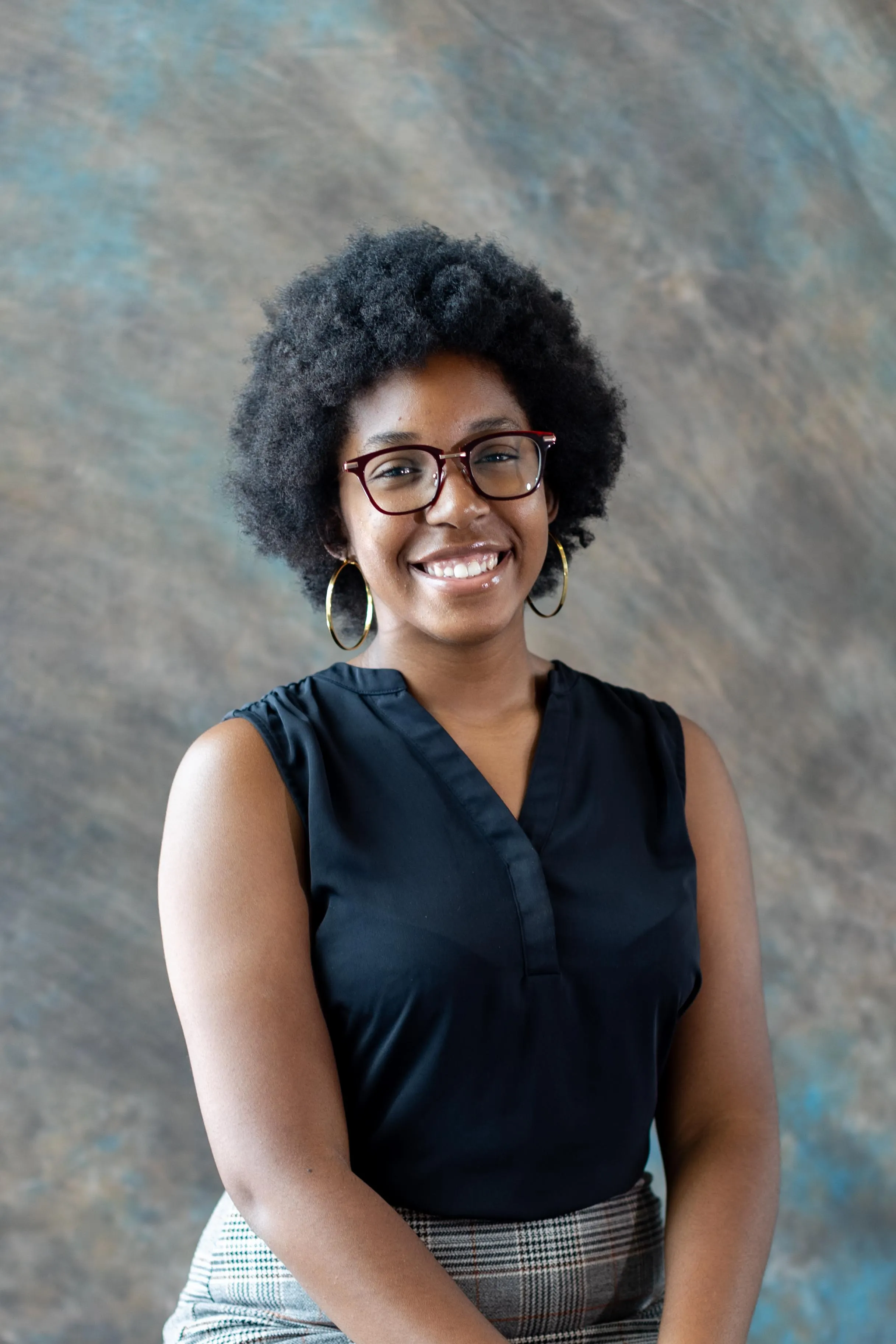
Sierra Nicole is a soul food enthusiast and content creator that challenges notions that soul food is unhealthy and only for celebrations. With inspiration from her chef father and series like High On The Hog, she combines innovative recipes like “soul”frito with informational content like the Soul Food Shopping List to encourage African Americans to embrace a cuisine which has been lost for some. We chatted with Nicole about her love of soul food – not just the nutrition, but the history and culture as well.
Spoon University: Where and how did your idea of “Black Americans Should eat more soul food” start?
Sierra Nicole: My friends are from all over the world, and I was in this very interesting situation where I’m not only everybody’s first Black friend, I’m also Black American. When you’re Black American, you’re perceived in a different way. So it was like this way in which I’m introducing American-ness to people from a different point of view for the first time.

I was like “okay, what’s the best way to engage people in my version of the United States?” And it was always through food. I found myself playing this culinary diplomat role where I was introducing people to things that I’m accustomed to, that I grew up eating or to make for people, that they had never been introduced to before. Introducing people to Black American culture for the first time while being abroad, that really forced me to just sit with my own understanding of my own identity because I had to represent it properly, you know? And then I was just kind of thinking “When I go to my Indian friend’s house, there’s always dahl. When I got to my Mexican friend’s house, there’s always tortillas. When I go to my house, what do I get?”
In December, last year,“[I had the idea] to do a series on nutrition and soul food just because I have this comprehensive knowledge of soul food and Black American cuisine and also a very comprehensive knowledge of nutrition. I needed to sit with “Why am I not eating my cultural cuisine every single day, the way all of my international friends are and how can I fix that?”
SU: Why do you think soul food gets that “unhealthy or “special occasion” reputation, and how do you combat that stigma?
SN: Everything always comes back to racism. It comes back to the great migration and resource availability, and state sanctioned poverty. Six million black Americans left southern states and moved from the south to Los Angeles, San Francisco, Denver, New York, Chicago, from 1910 to 1970. Economic opportunities shifted towards cities. But what happened is that we went from subsistence farming to wage working. You have access to different resources when you’re living in a city. Our geography changed, so did our access to certain resources and so did our relationship with the land. And the aspects of soul food that sustained through that displacement, were the ones that were the easiest to recreate with the things available to us.

The least healthy ingredients were the things that were also most available to us, and the most affordable. And that is still something that prevails today in certain places across the U.S. So that’s just how we got like collard greens and how we got fried chicken. Southern identity was commercialized to look like one specific thing when the reality is that the manipulation of Black American identity plus the great migration, essentially watered down our food culture.
SU: What do you hope to achieve with your soul food campaign?
SN: I think on a small scale, fundamentally changing Black Americans’ relationship with soul food. I think as a community, we’re in a place where we can go back to making more heritage dishes that are more nutritious, high in fiber, high in protein, things like that. And that might not necessarily mean that everything is rooted in nutrition, but that we are expanding our understanding of what is soul food.
It’s actually not that hard to eat soul food and soul food ingredients every single day. I want people eating more creatively and thinking more creatively about those recipes. A sweet potato is a heritage ingredient within the Black community. You don’t always have to make it like candy yams; you can roast it, you can bake it, you can boil it.
On a more global scale, I want people looking at American food and cuisine in general and taking it more seriously and having a more comprehensive understanding of the kinds of things that Americans eat.
I’m glad [my] message is resonating, I’m glad that people are having fun with it. I want to see us taking better care of ourselves and giving credit where credit’s due and respecting our food with the dignity that it deserves.
SU: What have been your favorite recipes so far?
SN: I’ve been playing around with creole sauce. And typically, if you’re from Louisiana, they do shrimp creole, but I’ve seen high level chefs like Mashama Bailey use creole sauce for everything. So I was like, I’m gonna use it for everything. So I just love stews, the tomato-based kind of sauces.

SU: What should we anticipate from you?
SN: This patty recipe, if it goes how I think it’s going to go, I think that’s going to be really awesome.
I want to take it on the road as a cafe concept so that I can meet people in person, kind of bring things to life. I’m excited to do more in-person work.I’m working on some cool digital content that’s like the intersection of music and soul food, so that’s going to be really cool. I’m excited to keep creating, playing with long form content, and just seeing where this takes me. It’s been a lot of fun – I like being able to be this creative.