


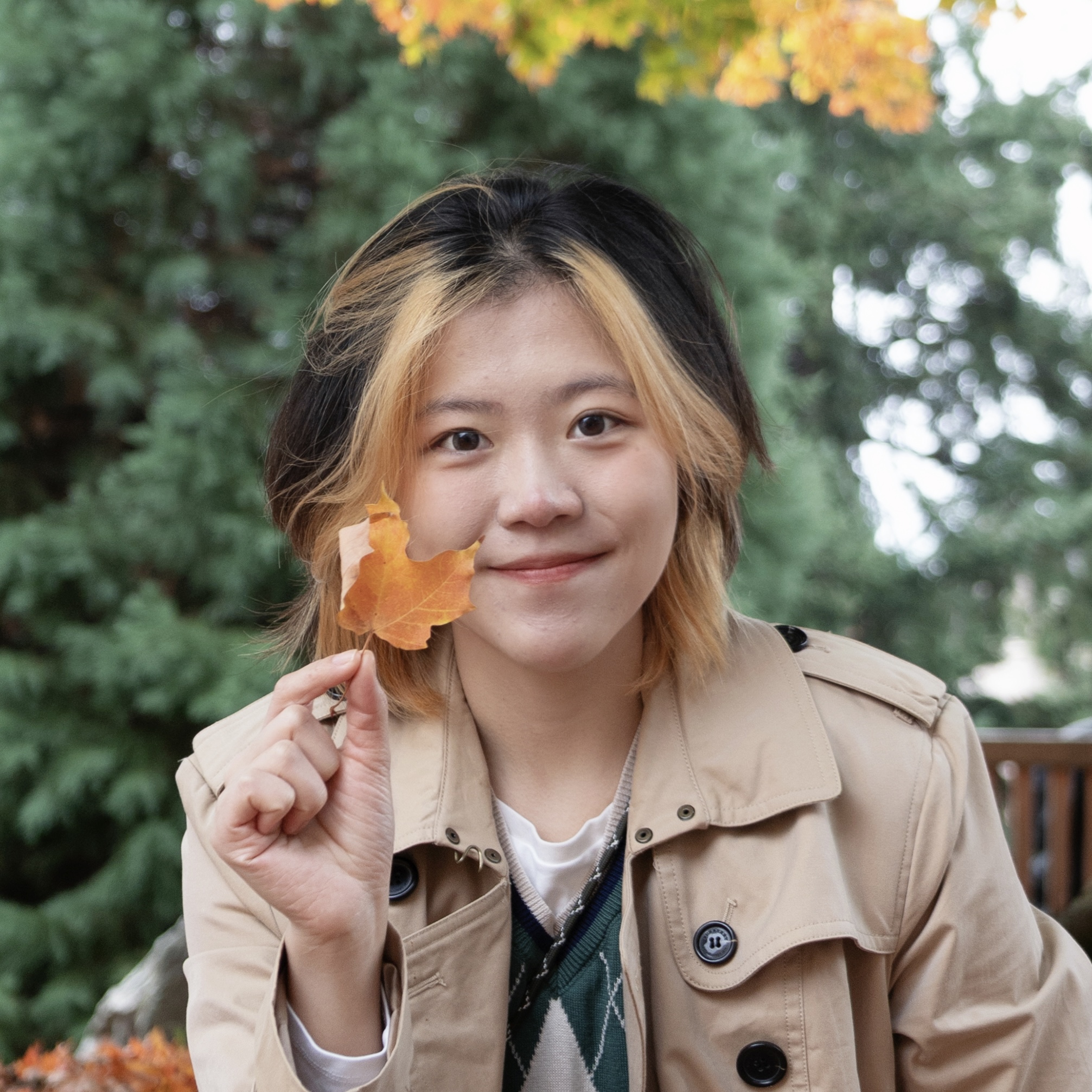
As a sophomore college student, this will be my second time celebrating the Lunar New Year in the U.S. If I were in my hometown of Beijing, China, I would be on a long break right now. On the day before the Lunar New Year, my parents and I always go to my grandparents’ home and stay there all day. We have a delicious big dinner together — the dumplings are essential, filled with either roast chicken or stewed pork ribs, and other stir-fried dishes. We raise our glasses and toast the Lunar New Year.
Sadly, I don’t have a several-day break around mid-February, but that doesn’t mean I won’t be celebrating. I chatted with several students at Boston University to see how they will be ringing in the new year and bringing traditions from China to Boston.
What is the Lunar New Year?
The Lunar New Year is different from the New Year’s Day on January 1. The Lunar New Year follows the lunar calendar — obviously, we can get this point from its name — which is based on the monthly cycle of the Moon’s phases instead of the solar.

This year, the Lunar New Year is on February 17. The night before is called the Lunar New Year’s Eve, where family members usually reunite, have a hearty meal together, and get ready for the new year. For most people, dumplings are a non-negotiable, but we call them “jiaozi” in Chinese.
The tradition of eating dumplings is one we know from our parents, grandparents, and great-grandparents.
How do Chinese college students celebrate Lunar New Year in the U.S.?
Not all of the Chinese students choose to eat dumplings.
Jennifer Fu, a junior from Zhejiang, a southern province in China, is one of those students. “I know everybody will say ‘you should eat dumplings in the Lunar New Year,’” she told me. “But my family has never done it. We eat glutinous rice balls instead.” This is the difference between northern and southern areas in China. People in southern areas usually eat glutinous rice balls (which is called “tangyuan” in Chinese) because they are circular, which is a symbol of reunion in Chinese culture.
“I cannot bear any other fillings, such as peanuts or red beans. I love black sesame only,” Fu said.
Sherry Mao, a junior also from Zhejiang, said her family eats rice cake, which is common. People in the south eat more rice, while people in the north prefer flour.
“My family always prepares a lot of seafood for dinner,” Mao said. “One of the traditions is fried crabs with rice cake. People in my hometown always eat rice cake to celebrate the Lunar New Year.”
This year, she wants to try cooking seafood for dinner like her family does, especially fish. Eating fish also symbolizes “more money and fortune” because “fish” in Chinese has the same sound as “more.”
Mao said she plans to buy some Lunar New Year candies and snacks on Weee!, an online supermarket that sells a lot of Asian groceries.
People always eat candies, chips, or nuts when they watch the Lunar New Year Gala, a live television show, on the Eve.
My top choice is the mandarin orange. I’m addicted to it. I can finish 6 pounds in one night, but I regret it when I get mouth sores soon after.
Because I’m from the northern area, I always come back to dumplings. My favorite filling is chives with eggs, but everyone has their own preferences.
“I like shrimp, beef, and celery together,” Zachary Xue said, a senior from Beijing.
“My favorite one is pork with chinese cabbage.” Lu added.
Stephanie Li, a Chinese student from Michigan, plans to wrap dumplings in her dorm’s kitchen with her roommates and friends. “One of my friends can’t eat pork and lamb, so we may try chicken filling,” she said.
Honestly, this is my first time hearing about the chicken filling in dumplings. I believe most people’s choices are pork, lamb, or beef with other vegetables. I’m kind of looking forward to seeing the chicken dumplings.
How is it different from celebrating at home?
Chinese students try to immerse themselves in the festival as much as possible to increase the festive atmosphere in their dorms and apartments.
Li said her roommates bought several spring festival couplets (a common door decoration of two red paper strips with poetic verses written in black, using calligraphy written style) to decorate their dorm. Mao said her friend wants to make a “Fu” (a Chinese character meaning “fortune”) decoration using pixel art beads.
However, some students think it’s not as meaningful as celebrating it with family.
“The Lunar New Year is a festival for family,” Qi said. “Without spending time with family, it’s just a normal day.”
But others find family wherever they are.

“Because I’m studying abroad right now, my friends are my ‘family’ here, basically,” Li said.
That’s the reason why students choose to celebrate it with their friends or roommates. We want to find a community to belong to.
The saddest thing for Mao is that she couldn’t receive the red pocket (a red envelope filled with money given by older generations to children, meaning good luck and prosperity) from her family.
“They don’t do the electronic money transfer,” she said, laughing.
In general though, despite the fact that Chinese students are far away from their hometowns, they still plan to celebrate the Lunar New Year with their friends and keep this tradition.
“It’s nice to continue the family tradition,” Li said. “It’s a part of cultural diversity. I definitely don’t want it to die down just because I’m away from family right now. To celebrate this is both about cultural value and community value.”